Goldman Sachs: China Economic Activity and Policy Tracker - July 3
Summaries are public. PDF access requires an active membership; all members have the same access. Sign in
Goldman Sachs has transitioned its China Economic Activity and Policy Tracker to a weekly publication format to better monitor the impact of energy price shocks on the Chinese economy. The report synthesizes four high-frequency indicator groups to provide a granular view of recent macroeconomic trends.
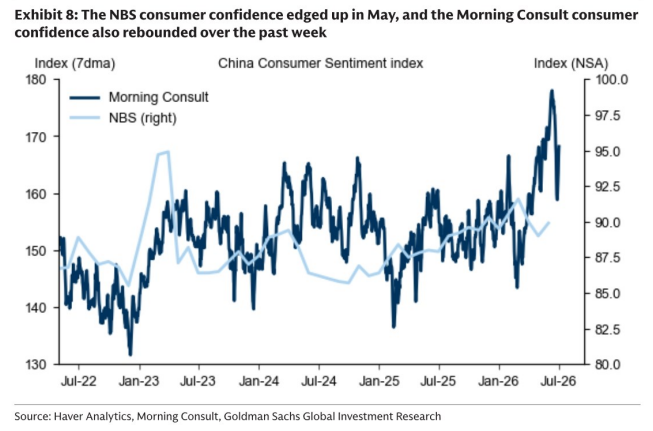
On the consumption front, property sales remain divided. Daily new home sales across 30 major cities dropped 17.2% year-over-year, whereas existing home sales in 16 cities increased by 6.4%. Domestic flight volumes and traffic congestion indices have largely normalized following the Dragon Boat Festival. Meanwhile, consumer confidence showed resilience, with the National Bureau of Statistics index rising in May and Morning Consult sentiment rebounding over the past week.
Production and investment indicators present a mixed picture. Steel demand rose week-over-week but remained down 4.9% year-over-year. Coal consumption in coastal provinces fluctuated within a range, reflecting an 8.4% year-over-year gain. Policy support appears moderate; year-to-date local government special bond issuances reached 2.04 trillion yuan, utilizing 47.0% of the annual quota, while policy bank support remained weak in June.
Broader macro activity demonstrates continued economic underpinning. Official port container throughput grew 8.1% year-over-year. In markets, interbank repo rates edged higher, and the renminbi appreciated against the CFETS basket while trading in a range against the US dollar. The report concludes by listing major macro policy announcements implemented since May.
Key exhibits
Exhibit 1
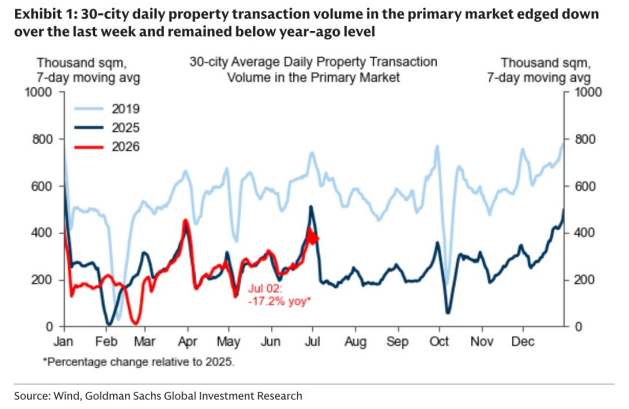
Exhibit 2
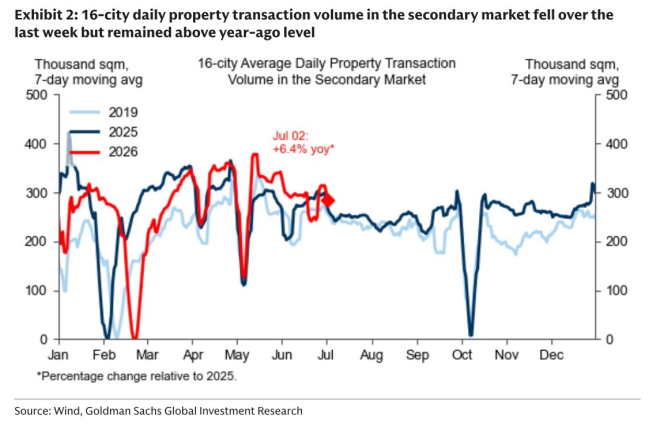
Exhibit 3
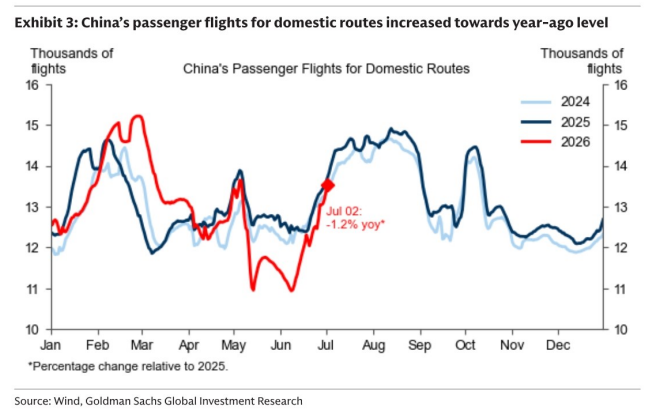
Exhibit 4
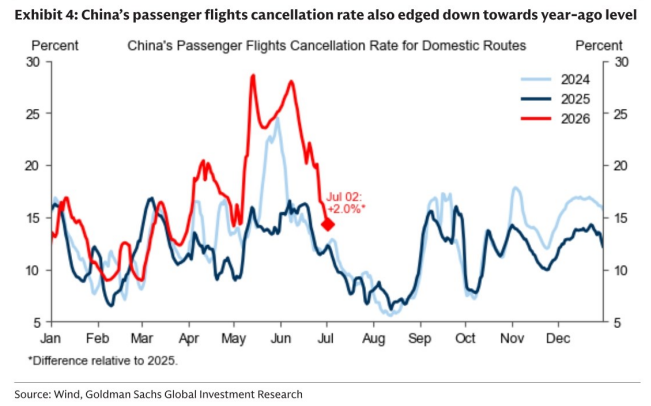
Exhibit 5
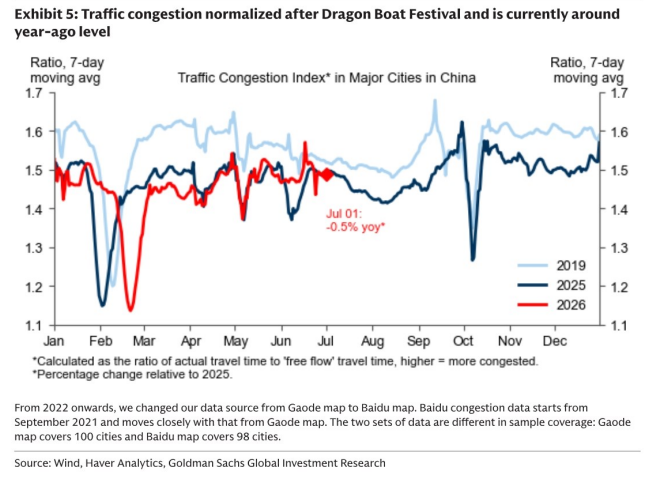
Exhibit 6
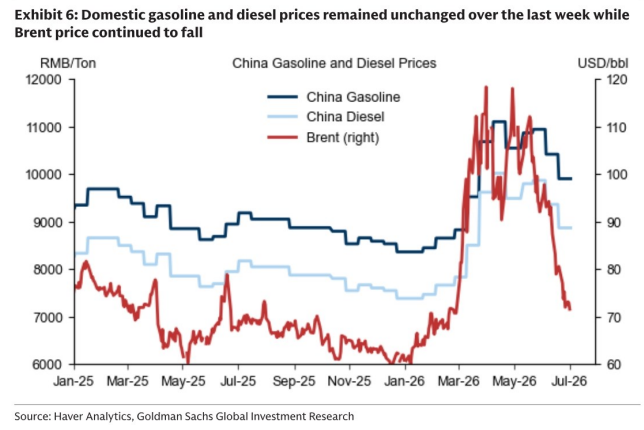
Exhibit 7
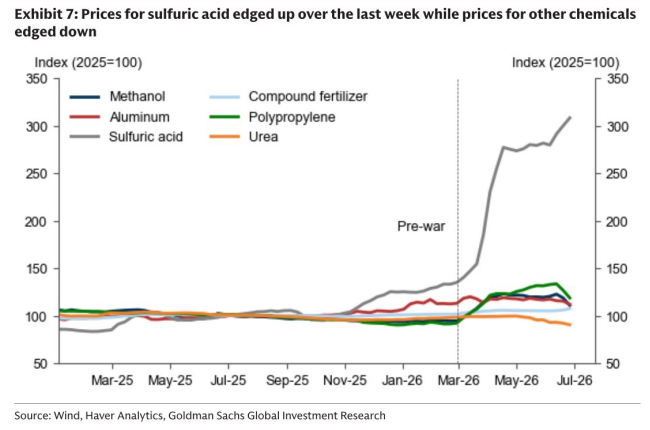
Exhibit 8