Transmission of AI Super Surplus in Korea - Mostly Through FX and Fiscal Policy
Summaries are public. PDF access requires an active membership; all members have the same access. Sign in
Key Views
Cross-country analysis of 32 economies indicates that positive TOT shocks typically accompany currency appreciation. For manufacturing exporters like Korea, a one-standard-deviation TOT increase correlates with 0.5% short-term currency appreciation, reaching 1% after four quarters. However, recent KRW weakness runs counter to this historical pattern and could partially offset positive spillovers by stoking inflation and suppressing consumer purchasing power.
Semiconductor exports now account for one-quarter of Korea's total exports in 2025, contributing three-quarters of the year-to-date export growth through May. Memory exports surged nearly 150% year-on-year in the first five months of 2026, with approximately 80% driven by price increases.
Outlook
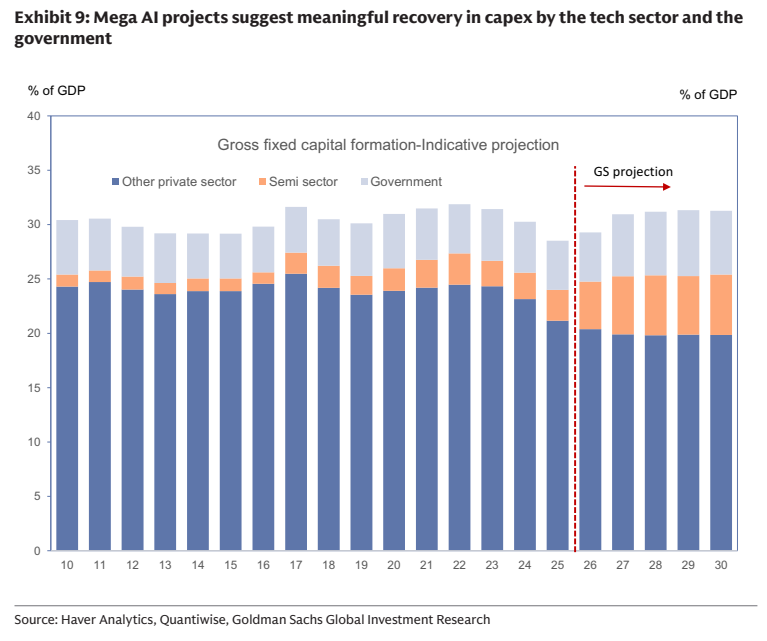
The report identifies KRW stability as the immediate policy priority to ensure price stability and broaden the AI boom into domestic demand. Newly announced AI projects, if implemented, could raise real GDP growth by 0.4 percentage points annually over the medium term. Long-term, surplus recycling through gradual monetary tightening and a new sovereign wealth fund will become increasingly critical for macroeconomic stability.
Key exhibits
Exhibit 1

Exhibit 2

Exhibit 3
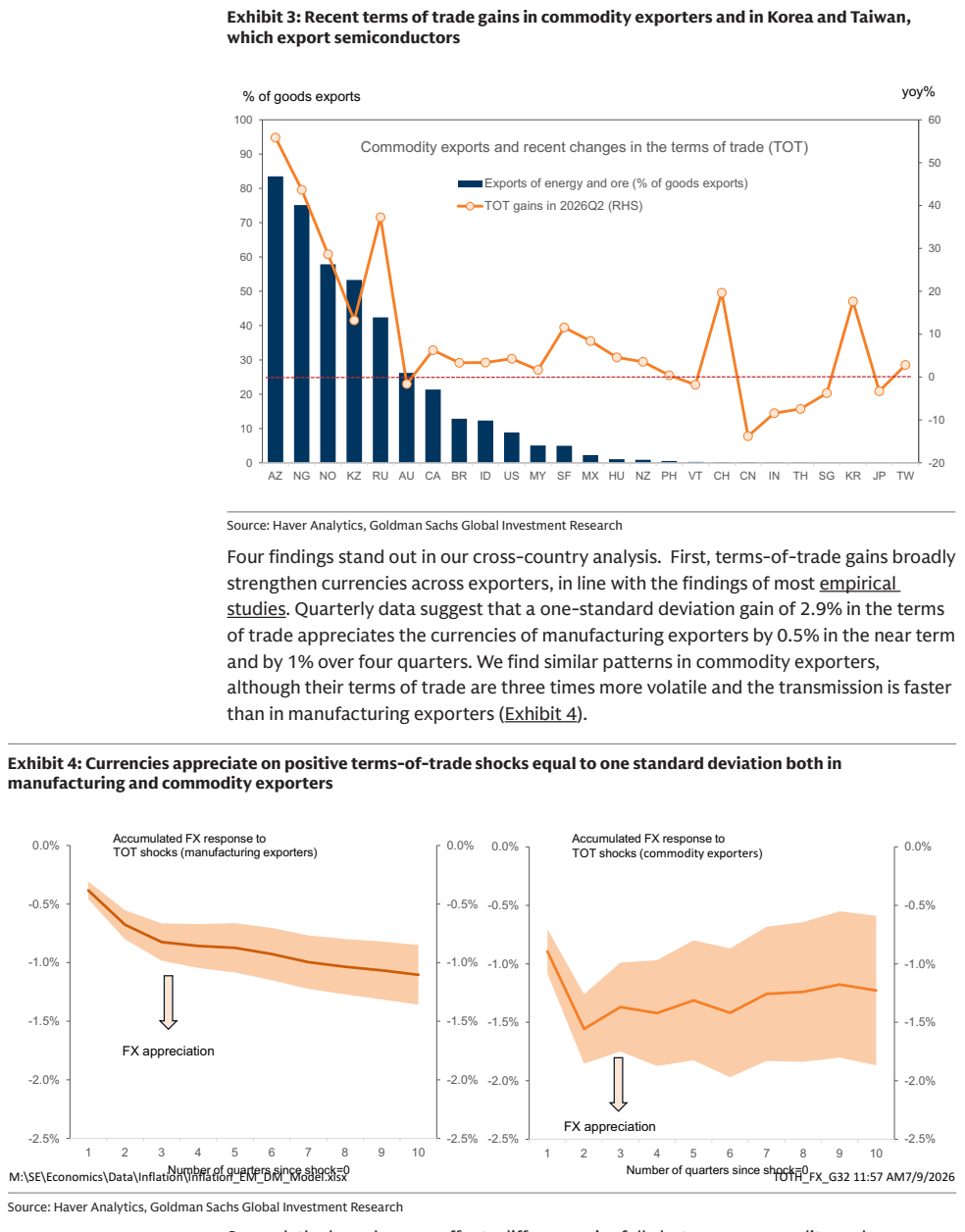
Exhibit 4

Exhibit 5
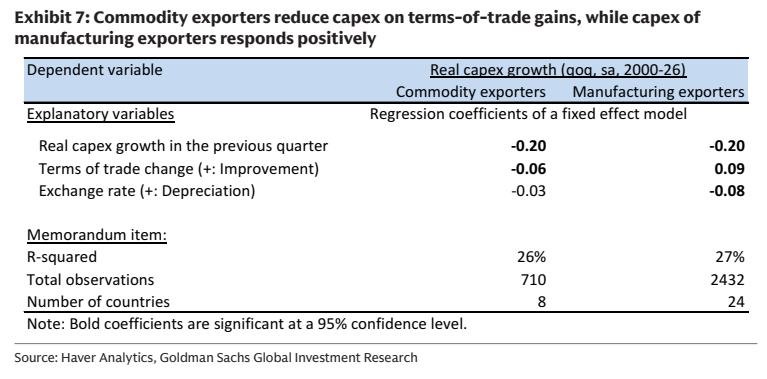
Exhibit 6
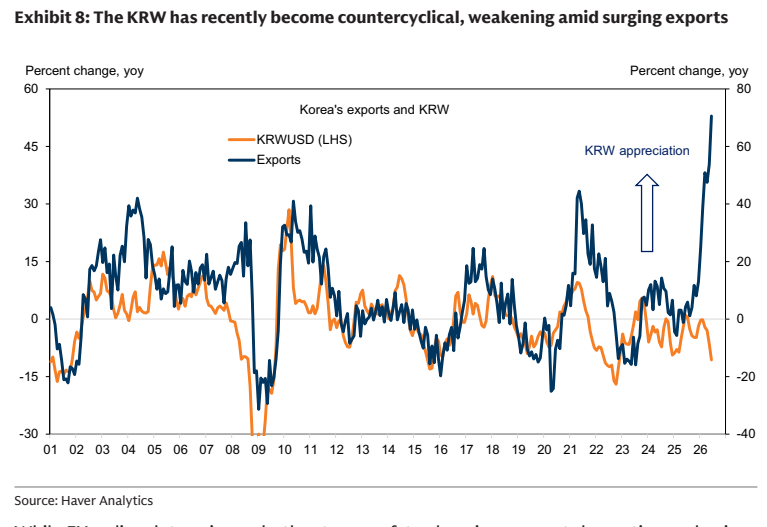
Exhibit 7